The Film
HIBM: Her Inescapable Brave Mission
A documentary film about creating a lasting legacy — following Cara Elizabeth Yar Khan's journey, courage, and determination.
Donate Today Get in TouchAbout the film
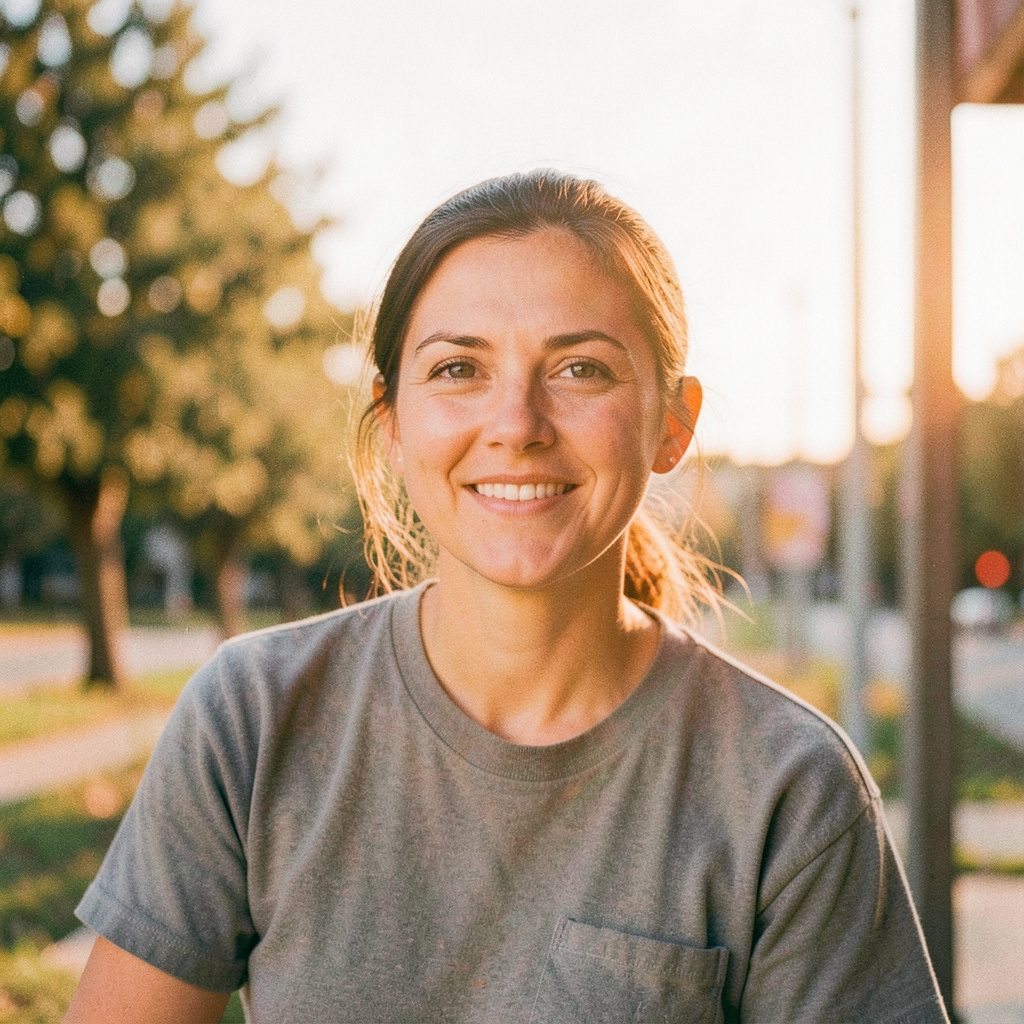
HIBM: Her Inescapable Brave Mission is a documentary film that captures Cara's journey, courage, and determination. At its heart is the idea of creating a lasting legacy — a record of a life lived bravely and in service of others.
Diagnosed at age 30 with Hereditary Inclusion Body Myopathy (HIBM), a rare muscle-wasting disease that leads to quadriplegia, Cara has continued her humanitarian work and her advocacy for disability inclusion. The film follows that story.
Support for the project has come from Boehringer Ingelheim, and donations toward the making of the film are accepted through the project's fiscal sponsor, Film Independent.

Support the making of the film
Donations to HIBM: Her Inescapable Brave Mission are managed by the film's fiscal sponsor, Film Independent.
Visit the Film Independent fiscal sponsorship page for the project to make a contribution and to read the details of the sponsorship.
Donate Today
Help bring this story to the screen. Contributions are accepted through Film Independent, the project's fiscal sponsor.
Donate to HIBM, the filmWhat people say
“You need Cara. The World needs Cara. Cara Elizabeth Yar Khan is a rare gem – the embodiment of courage, commitment, passion, beauty, presence, all in one package.”
Testimonials like this one describe Cara as a rare gem and a hero — words that speak to the spirit the film sets out to capture.
To learn more about Cara's background, her humanitarian work, and her advocacy, visit Cara's Story.
- Diagnosed at age 30 With Hereditary Inclusion Body Myopathy (HIBM), a rare muscle-wasting disease leading to quadriplegia.
- Humanitarian work Served as a Resource Mobilization Specialist at UNICEF Haiti.
- Advocacy Champions inclusion and nondiscrimination for people living with disabilities.
A documentary can do something a written biography rarely manages, and that is to let an audience feel the texture of a life rather than simply read about it. The film at the heart of this project follows one woman's journey with a rare, progressive muscle-wasting condition, and it invites viewers to sit with both the difficulty and the dignity of that experience. Rather than leaning on pity, it keeps its attention on courage, purpose, and the quiet daily decisions that add up to a life lived on purpose. It is a story told with warmth and restraint.
At the center of the narrative is the idea of legacy, which gives the film its emotional spine. Legacy here is not about monuments or material accumulation but about what a person leaves in the people around them, in the causes they served, and in the example they set for others facing their own adversity. The camera becomes a way of preserving that example, so that a journey shaped by loss and limitation can also be read as a record of generosity, humor, and stubborn hope. It is a portrait meant to outlast the moment it was made.
Living bravely is easy to say and much harder to practice, especially when the body changes in ways no one chose and no one can reverse. The film takes that reality seriously without becoming grim, showing how a person can keep reaching outward even as circumstances narrow. Serving others becomes a form of resistance, a way of refusing to let a diagnosis define the whole of a life. Viewers are invited to consider what bravery actually looks like when it is not dramatic, when it is simply the choice to keep showing up, keep speaking, and keep caring.
Because the subject is a rare condition, the film also carries an awareness-raising purpose. Rare diseases often remain invisible to the wider public, and the people living with them can feel isolated by the simple fact that so few others understand what their days involve. By putting a human face and a human voice at the center, the documentary helps close that distance. It does not pretend to be a medical lecture; instead it offers the kind of understanding that comes from attention, patience, and the willingness to listen to someone describe their own experience in their own words.
Beyond the screening itself, the project is built to keep moving outward, toward conversations, community, and continued advocacy around disability, inclusion, and access. Films like this tend to matter most when they become a starting point rather than an ending, prompting viewers to think about how they might support the people and causes already close to them. Support for the work helps carry that momentum forward, so the story can travel further than any single audience. It is, in the end, an invitation to witness a life and then to carry something of it forward.
Explore more
Speaking & media
Cara has been listed with The Speaker Agency and has appeared on NPR StoryCorps and Best Self Magazine podcasts.
Awards & recognition
Honors include the Outstanding Voice Award from the Atlanta Business Chronicle, a Women Making A Mark 2018 honor from Atlanta Magazine, the 2015 Porsche Driving Force Award, and recognition at the 2014 UNICEF Humanitarian Awards.
Follow along on Facebook, Twitter, YouTube, LinkedIn, and Instagram.